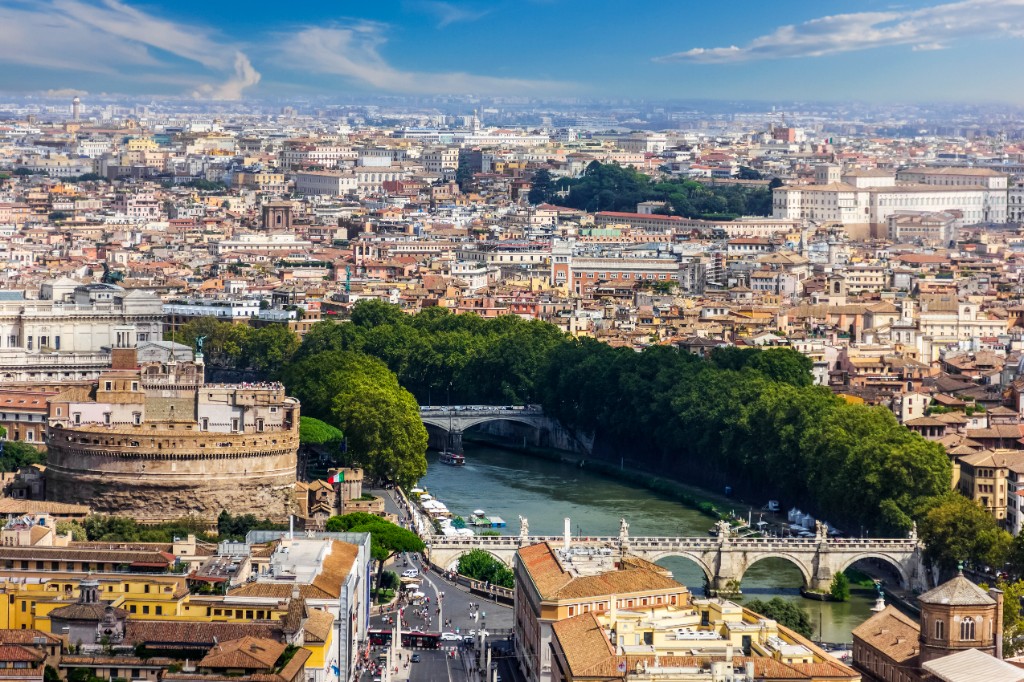
You'll feel Rome when you turn a corner and a baroque fountain appears without warning, or when Trastevere smells of garlic and wood smoke at dusk. From the UK it's almost always a flight to Fiumicino or Ciampino, then a transfer into a city that rewards walking but punishes the wrong hotel pin — cobbles, limited metro lines and zTL driving rules make distant suburb savings expensive in taxi time.
This guide is for a first or second short trip — a weekend or bank holiday. We focus on booking order, areas that match how you want to spend evenings, and what to skip so the break still feels like Rome rather than a Vatican–Colosseum sprint with no room to breathe.
You can't do all of Rome — ancient, baroque and Vatican don't fit in one sprint
The historic centre looks walkable on a map, which tricks you into overbooking. Vatican Museums alone can eat half a day if you treat the Sistine Chapel properly. The Colosseum and Forum want their own morning. Centro Storico rewards wandering without a checklist. Two nights means one timed anchor plus one loose city day — not Vatican, Colosseum, Trevi, every piazza and a Florence day trip.
Three nights adds a Trastevere evening or a calmer Monti lunch without stealing from your slot. Compare with our Paris or Barcelona hubs if you're still choosing a city.
Getting there from the UK
Fly into Rome
Most UK flights land at Fiumicino (FCO); some budget carriers use Ciampino (CIA), closer to the centre but with its own transfer maths. Compare door-to-door before locking a hotel — our Rome stays guide notes metro Line A links the Vatican belt and Termini, with buses filling gaps where metro does not run. When dates are set, compare London–Rome flights and use proper fare comparison (bags and airport transfer included).
Other UK airports
London has the most frequency; several regional airports run seasonal Rome services. Compare from your local airport once dates are fixed — after landing, everyone shares the same transfer and neighbourhood choice.
Car hire
Skip it for a city-only weekend. Rome's centre is cobbles, traffic and limited-traffic zones — fine for longer fly-drive trips, awkward for a pure city break. Use trains for Florence or Naples only after your Rome nights, not as a daily city tool.
What to book first (and what can wait)
- Dates and flights — fix FCO or CIA arrival time before hotels.
- Neighbourhood — Centro Storico, Trastevere, Monti or Prati; see below.
- Timed tickets — Vatican Museums and Colosseum often need advance slots in busy months; book before a hotel across town from your 08:30 entry.
- Hotel — after area; cobbles and stairs matter for luggage.
- Everything else — Trastevere dinner, one piazza sunset, optional walking tour.
Pick your area before the hotel
From our where to stay in Rome guide and city-break neighbourhood notes:
Centro Storico and Pantheon lanes — classic sights on foot; Trevi, forum edges and evening strolls without a metro hop.
Trastevere — trattoria nights and quieter lanes across the river; good for food-led weekends.
Monti — smaller hotels, alley suppers, still walkable to major sights.
Prati and Borgo — calmer near the Vatican; useful if your timed entry is an early morning and you want a short walk to security.
Testaccio — often better value one metro stop from the core; strong for food-focused return visits.
Near Termini — practical for airport trains and early departures; check street feel before booking.
Search live stays: Search Rome stays on Expedia · Browse on Stay22 map.
FCO or CIA to your hotel — first hour
Leonardo Express and regional trains serve Fiumicino toward Termini; buses and taxis also run — pick what matches your hotel address and arrival time. Ciampino suits some EU budget hops with shorter road transfers but compare total time, not just airport distance. Official taxi ranks are the safer default over street hails in Rome — research the local norm before you land.
If the room isn't ready, use hotel storage or city luggage storage rather than dragging bags across cobbles.
A 48-hour rhythm that still feels like Rome
Day 1 — centro wander, Trastevere evening
Midday: Transfer in, drop bags, walk — Pantheon exterior, one piazza, one coffee stop without trying to "complete" Rome.
Afternoon: Colosseum if you hold a slot — otherwise forum viewpoints from outside and a slow centro loop.
Evening: Trastevere dinner; Rome eats later than many UK habits. Wandering needs no guide.
Day 2 — one anchor, then out
Morning: Vatican Museums and Sistine Chapel if booked — one major anchor, not stacked with Colosseum the same day.
Afternoon: Monti browse, Trevi if you missed it, or a final centro stroll — choose one mood.
Evening: Allow margin for FCO or CIA — transfer plus security queues eat time faster than maps suggest.
If you have three days
Three nights is the first version of Rome that is not a sprint. Keep the 48-hour shape — one timed anchor, one wander day — then add a third morning that does not stack Vatican and Colosseum.
A useful third day is Monti and the Forum viewpoints if you skipped the arena, or Ostia Antica only if everyone still has legs. Trastevere dinner belongs on night two so arrival and departure stay calmer. Florence is still a different trip. Ask SkyStay about Rome if you need the days to match children or a Vatican slot you already hold.
If you have five days
Five days is when a Florence or Naples train becomes allowed, not mandatory. Keep one rest afternoon. Heat and closures will arrive; a centro wander without a ticket is the reset, not another museum.
- Days 1–3 — the 3-day plan, with Vatican and Colosseum on separate mornings.
- Day 4 — Appian Way, a quieter basilica, or Tivoli only if you want a garden day outside the centro.
- Day 5 — Florence or Naples as a day trip or a second Rome neighbourhood day. Do not do both. The fast train is the tool; a hire car inside Rome is still a mistake.
Pair the rhythm with where to stay and Rome activities so you only buy tickets the days can hold. First-trip booking order: Rome for first-time visitors. For a UK capital with the same booking order, see 3-day and 5-day London.
What to skip on a short trip
- Vatican + Colosseum + Forum + every piazza in 48 hours — pick one timed anchor and one wander day.
- Florence or Naples as a day trip — save it when you have three or four nights minimum.
- Car hire inside Rome — zTL zones and parking stress beat any suburb saving.
- A hotel far from your timed slot — an 08:30 Vatican entry from the wrong side of town costs an hour you don't have.
- August without checking closures — some Romans leave town; heat and peak pricing still bite central areas.
Spring and autumn often balance outdoor dining with shoulder rates outside Easter crowds. Month-by-month: best time to visit Rome. For timed entry logic, see when skip-the-line tickets are worth it and our guided tour picker. Browse Rome activities or Rome tours once your schedule is set.
Frequently asked questions
Is two nights enough for Rome?
Yes for a first taste — one timed anchor, one wander day — but tight. Three nights fits Vatican and Colosseum on separate mornings without constant rushing. Five nights is when a Florence train becomes optional rather than a squeeze. Full guide: how many days in Rome.
Centro Storico or Trastevere for first-timers?
Centro for sight density on foot; Trastevere for food-led evenings and atmosphere. Many first trips walk centro but sleep in Trastevere or Monti.
Do I need to book the Vatican ahead?
In busy months, yes — morning slots fill weeks ahead. Check official sites rather than assuming walk-up queues will be short.
FCO or Ciampino?
FCO for most UK flights; CIA for some budget carriers — compare transfer time to your hotel, not just airport distance. Full guide: Rome airport to city centre.
When should I book flights from the UK?
See Europe city break flight timing — Easter and summer peaks move Rome fares quickly.
Continue planning Rome
Read here, book on partners when you're ready.