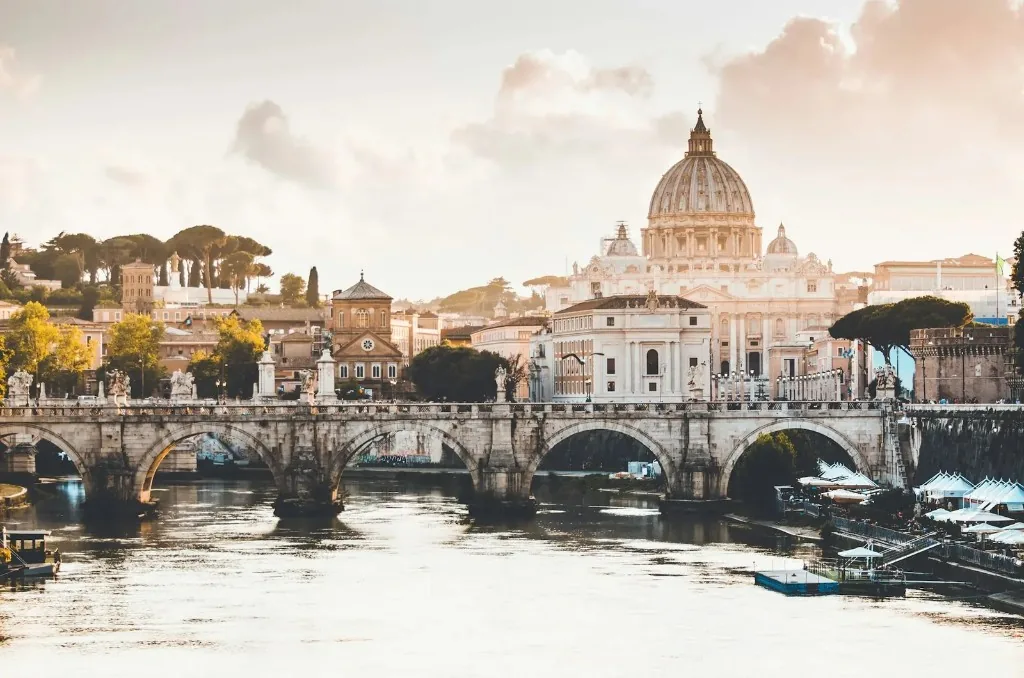
Historic Centre vs Trastevere is the booking fork most UK and overseas weekenders hit once they have already ruled out far Termini bargains and Vatican-only pins. You are choosing between two walkable centres with different night-time personalities — not between “good Rome” and “bad Rome.” Fix the evening feel first; the hotel search gets easier after that. For the wider neighbourhood map see best area to stay in Rome; for hotel cards and the Decision Kit use the Rome stays guide; for FCO and Ciampino timing see flights to Rome; for pacing after the base is set use the Rome city break planning guide.
Book in this order: Historic Centre or Trastevere → exact street pin (noise and cobbles matter) → timed Colosseum or Vatican slot if you care → room with flexible cancellation if dates might move.
Comparison snapshot — Historic Centre vs Trastevere
| Factor | Historic Centre | Trastevere |
|---|---|---|
| Atmosphere | Postcard Rome — piazzas, fountains, classic first-visit density | Trattoria alleys, Tiber edge, livelier food-led evenings |
| Hotels | Mid–premium; Easter and peak summer fill early | Boutique / mid–premium; romantic weekends tighten stock |
| Transport | Walk-first; buses fill metro gaps; Termini hop when needed | Tram / walk over the Tiber; extra hop after late FCO |
| Noise | Busy tourist corridors by day; piazza edges can run late | Restaurant streets lively at night — pick the block |
| Walkability | Outstanding for Pantheon, Trevi, Forum edges, Campo | Excellent for supper crawls; sights need a bridge hop |
Area profiles
Historic Centre (Centro Storico)
Atmosphere: The trip that still feels like postcard Rome when you walk home — Pantheon lanes, Trevi spillover, baroque corners that appear without a metro hop. Strong for first-timers who want landmark mornings and fountain evenings without betting the stay on a late restaurant street across the river. Confirm whether your pin sits on a quiet courtyard or a busy piazza corridor; they sleep differently.
Trastevere
Atmosphere: Food-lover territory — alley trattorias, later evenings and a walk home after dinner that feels like the reason you booked Rome. You trade some day-one landmark density for Tiber-side character; Colosseum and Pantheon mornings ask for a bridge hop or short tram. Confirm courtyard quiet versus the busiest restaurant lanes — weekend noise is real on the main strips.
Pros and cons
Historic Centre wins when…
- Pantheon and Trevi evenings are the trip
- You want denser sightseeing without a bridge hop every morning
- Families need shorter walks and earlier nights
- You prefer postcard piazzas over trattoria-street buzz
Trastevere wins when…
- Walking home after a long Roman dinner is non-negotiable
- Food-led evenings are the point of the booking
- You want alley atmosphere without sleeping on Trevi’s busiest lane
- You can filter for a quieter courtyard or side street
Who should choose this area?
- First-time UK weekend, unsure — Default Historic Centre. You get classic Rome evenings without betting the stay on the noisiest restaurant strip.
- Food-and-romance couple — Trastevere, with a pin one block off the busiest supper street.
- Families with kids — Historic Centre; insist on a lift after Fiumicino or Ciampino.
- Sightseeing-heavy three nights — Historic Centre for day density; keep one Trastevere dinner as a walk, not a hotel move.
- Luxury short break — Either works: Centro for polished piazza calm, premium Trastevere for character and denser dining.
- Late FCO arrival — Historic Centre or Termini-edge usually kinder with bags; Trastevere needs the extra hop — budget that before the romantic alley photo.
Seasonal note: Easter, May bank holidays and peak summer push demand in both districts. Church events and marathon weekends tighten Centro Storico inventory early — choose the area early, then the room. For pacing a short trip after the base is set, use the Rome city break planning guide.
Common mistakes
- Picking by Instagram, not by evening noise — Trastevere restaurant streets and Centro piazza edges sleep differently. Read the block, not the district name.
- Booking a walk-up with big cases — Both areas have charming floors without lifts. Filter for a lift after a late arrival.
- Treating them as interchangeable “central” — They are both walkable Rome. They are not the same trip.
- Saving money far from Termini and commuting back every night — On a two- or three-night break, the cheaper far pin often costs the weekend in taxi and cobble time.
- Ignoring airport reality — Late Ciampino + Trastevere alley with bags can erase day one. Match FCO or CIA to your neighbourhood before the hotel photo.
- Splitting hotels mid-stay — Pick Historic Centre or Trastevere once; walk or tram the rest.
Final recommendation
If you are torn and this is a first Rome weekend, book the Historic Centre — denser landmark walks, fountain evenings, and a rhythm that still feels like the city when you come home. Choose Trastevere when trattoria walk-home, denser dinners and later alley streets are the reason you booked the trip. Luxury travellers can win in either district; budget-watchers usually find slightly more mid-range flexibility toward Trastevere side streets, provided they do not sacrifice a quiet pin for a loud lane.
Then open stays with that pin fixed: where to stay in Rome · compare arrival options on flights to Rome · lock timed experiences via Rome activities · add eSIM/transfers on Travel Support · browse the wider country on the Italy planning hub · pace the short trip with the Rome city break planning guide · zoom out to other neighbourhoods on best area to stay in Rome · or take the early-Museums fork on Vatican vs Centro Storico.
Frequently asked questions
Is the Historic Centre or Trastevere better for first-time visitors?
Historic Centre for denser landmark walks; Trastevere if food-led evenings matter more. Both work — pick by evening atmosphere. Full stays detail sits on the Rome stays guide.
Which is quieter at night — Historic Centre or Trastevere?
Neither is silent. Centro piazza edges and Trastevere restaurant streets can both run late; courtyard pins behave differently from listings on busy lanes.
Is Historic Centre or Trastevere better for families?
Historic Centre edges it — shorter sight walks and a slightly softer late-street pace for most first visits. In either area, filter for a lift.
Which area is better for food and evenings?
Trastevere. Walk home after dinner; Historic Centre works if you prefer fountain strolls and accept tourist-menu density on the busiest lanes.
Are hotels more expensive in the Historic Centre or Trastevere?
Both mid-to-premium. Centro tightens hardest around Easter and peak summer; Trastevere fills early for romantic weekends. Compare inside the area you want to sleep in.
How do I book after choosing one?
Lock the neighbourhood and street pin, then compare stays — ideally with flexible cancellation if airport timing might move. Start on the Rome stays guide.