Ginza vs Asakusa is the booking fork most UK long-haul travellers hit once they have already ruled out a pure west-side neon week in Shinjuku or Shibuya. You are choosing between two workable east-central bases with different day-and-night personalities — not between “good Tokyo” and “bad Tokyo.” Fix shopping-polish-and-Shinkansen logistics versus temple-mornings-and-quieter-evenings first; the hotel search gets easier after that. For the wider neighbourhood map see best area to stay in Tokyo; for the west-side hub vs nightlife fork see Shinjuku vs Shibuya; for hotel cards and neighbourhood notes use the Tokyo stays guide; for HND and NRT timing see flights to Tokyo; for temple and teamLab pacing after the base is set use Tokyo activities; for eSIM and transfers see Travel Support; for the wider East Asia city shape see the Asia planning hub.
Book in this order: Ginza or Asakusa → exact station exit or block (department-store corridor vs temple approach matters) → HND / NRT matched to that pin → IC card on arrival → room with flexible cancellation if airport timing might move.
Comparison snapshot — Ginza vs Asakusa
| Factor | Ginza | Asakusa |
|---|---|---|
| Atmosphere | Polished shopping core — department stores, sushi counters, Tokyo Station hops | Temple district — Senso-ji mornings, Nakamise snacks, quieter evenings |
| Hotels | Mid–premium to luxury; design and department-store pins tighten in peak weeks | Mid–premium; more mid-range temple-district stock; sakura fills early |
| Transport | Metro density; short hop to Tokyo Station and Shinkansen logistics | Ginza Line / Tobu; strong for temple mornings; west-side nights need a hop |
| Noise | Quieter than west neon, but shopping strips and late dining can still buzz | Earlier nights away from the main approach; temple crowds by day, calmer after dusk |
| Walkability | Outstanding for retail, dining and central metro hops; temple mornings need a ride | Outstanding for Senso-ji and Sumida edges; Ginza shopping and west nightlife need a hop |
Area profiles
Ginza
Atmosphere: The Tokyo many first visits expect when the brief is polished shopping, department-store dining and a short hop to Tokyo Station — not neon scramble nights. Strong for travellers who want central metro density and Shinkansen logistics without betting every morning on a long cross-city hop. Confirm whether your pin sits on a quieter backstreet or a Chuo-dori shopping frontage; Ginza is convenient and premium rather than temple-calm, and the block decides sleep quality more than the neighbourhood name.
Asakusa
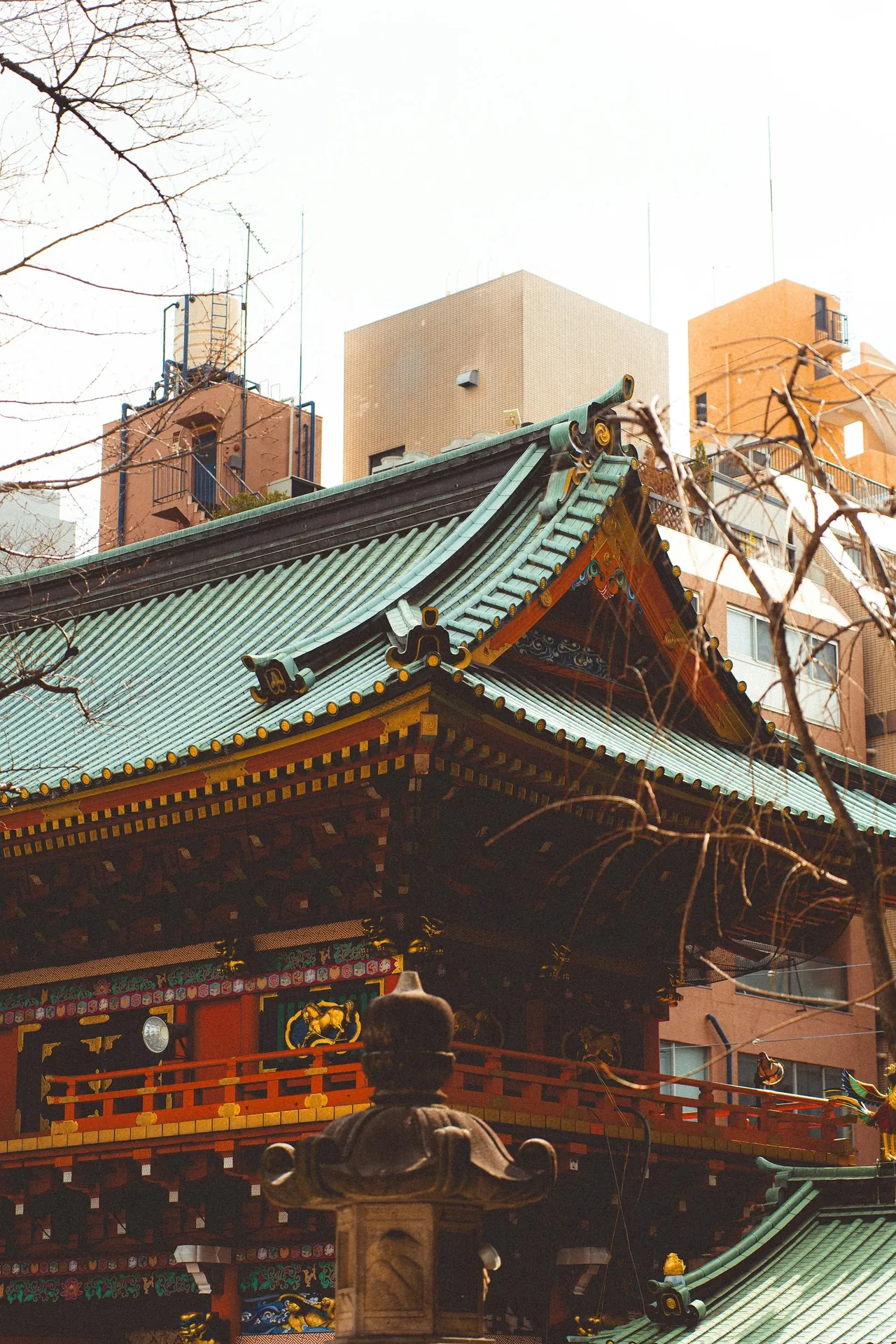
Atmosphere: The temple district that photographs as “first Japan mornings” — Senso-ji, Nakamise snacks, Sumida edges and evenings that usually wind down earlier than Ginza shopping strips or west-side neon. You trade department-store polish for walk-to-temple pacing; Ginza retail days and Shinjuku nights ask for a hop, while dawn temple slots stay outside the lift. Confirm a quieter residential pin versus a Nakamise-front room — Asakusa is not one sleep personality either.
Pros and cons
Ginza wins when…
- Shopping polish, department-store dining and central metro density are the reason you booked
- You want the simplest east-central soft landing near Tokyo Station or a Shinkansen departure
- Kyoto or Osaka follow on the same trip and station logistics matter more than temple doorstep
- You accept premium rates in exchange for polish and short central hops
Asakusa wins when…
- Temple mornings, Nakamise pacing and quieter evenings lead the itinerary
- Families need earlier nights than a shopping-strip corridor usually allows
- You want Senso-ji atmosphere outside the lift, not only as a day visit
- You accept a hop for Ginza shopping or west-side nightlife in exchange for temple-district calm
Who should choose this area?
- First-time UK long-haul visit, shopping-led — Default Ginza. You get polish, dining and Tokyo Station hops without betting night one on temple crowds after jet lag.
- Temple-and-family week — Asakusa, with a pin that is not the loudest Nakamise frontage if you have an early Skytree slot.
- Food-and-polish couple — Ginza, with a quieter block than the busiest Chuo-dori retail strip.
- Families with kids — Asakusa for temple mornings and earlier nights; day-visit Ginza when shopping polish matters more than sleeping on the approach.
- HND soft landing — Both work via Monorail or Keikyu — match the code to the pin before you book.
- Late NRT arrival — Asakusa / Ueno often pairs cleanly with Keisei Skyliner; a far Ginza pin after midnight still needs patience — budget that before the department-store photo.
Seasonal note: sakura weeks (roughly late March–early April), Golden Week and New Year push both hardest. Humid summer hits street-level temple walks; clear autumn and dry winter still work if you dress for stations and evenings. Choose the area early, then the room. For the west-side neon fork see Shinjuku vs Shibuya; for wider East Asia city pacing after the base is set, use the Asia planning hub.
Common mistakes
- Picking by temple Instagram, not by airport code — A cheap NRT fare with a far Ginza pin can erase day one. Match HND or NRT to the neighbourhood before you book.
- Sleeping on Nakamise “because it’s central” — Central for tourists is not the same as central for your trip. Dawn temple mornings do not need souvenir-lane noise at 07:00 either — pick the block.
- Treating them as interchangeable “east Tokyo” — They are both workable Tokyo. They are not the same trip.
- Ignoring compact rooms — Headline rates without luggage photos are how suitcases end up in the shower. Compare floor plans inside the area you want to sleep in.
- Booking the hotel before the trip type — Lock whether shopping polish or temple mornings drive the stay, then sleep within a calm walk of that rhythm.
- Splitting hotels mid-stay — Pick Ginza or Asakusa once; metro the rest.
Final recommendation
If you are torn and this is a first Tokyo soft landing focused on shopping polish, department-store dining and Tokyo Station logistics, book Ginza — practical central metro, premium corridors and a rhythm that still works when jet lag has you sleeping oddly. Choose Asakusa when temple mornings, Nakamise pacing and quieter evenings are the reason you booked the city nights — especially if families need earlier sleep than a retail strip allows. Value-watchers usually find more mid-range flexibility in Asakusa, provided they do not sacrifice a quiet pin for a Nakamise-front room.
Then open stays with that pin fixed: where to stay in Tokyo · compare the west-side neon fork on Shinjuku vs Shibuya · zoom out to other neighbourhoods on best area to stay in Tokyo · compare arrival options on flights to Tokyo · lock temple and city experiences via Tokyo activities · add eSIM/transfers on Travel Support · browse the wider region on the Asia planning hub · or use the decision framework on how to choose a city-break neighbourhood.
Frequently asked questions
Is Ginza or Asakusa better for first-time visitors?
Ginza for shopping polish, dining and Tokyo Station hops after long-haul; Asakusa if temple mornings and quieter evenings matter more. Both work — pick by polish-and-logistics versus temple-and-calm. Full stays detail sits on the Tokyo stays guide.
Which is quieter at night — Ginza or Asakusa?
Asakusa usually sleeps earlier away from the main temple approach; Ginza can still buzz on shopping strips. Read the exact block, not the neighbourhood name.
Is Ginza or Asakusa better for families?
Asakusa for temple mornings and earlier nights; many families day-visit Ginza when shopping polish matters. In either area, filter for a lift after a late arrival.
Which area is better for food and evenings?
Ginza for department-store dining and sushi counters; Asakusa for Nakamise snacks, tempura and earlier temple-district nights.
Are hotels more expensive in Ginza or Asakusa?
Ginza usually sits higher. Asakusa often has more mid-range stock. Always compare room size inside the area you want to sleep in.
How do I book after choosing one?
Lock the neighbourhood and station exit, match HND / NRT, then compare stays — ideally with flexible cancellation. Start on the Tokyo stays guide.